
On this page
About Chance for Change
Chance for Change (CFC), is a consultative council comprised of 11 young people aged 14-17 from across Tasmania. Members take part in a mix of online and in-person sessions where there is a strong focus on child safety, trauma-informed practice, and meaningful participation.
CFC members are involved in discussions about the implementation of the Commission of Inquiry recommendations and the Tasmanian Government’s Change for Children Action Plan. They also contribute their perspectives on other issues that help inform the Commission for Children and Young People’s advocacy.
What the group has done so far
So far, the Chance for Change has:
- Chosen their name (Chance for Change) and designed their logo
- Developed a working agreement called BARRY’s Vibe Check
- Taken part in several facilitated consultation sessions, including a full council get together in Launceston in early 2026
- Learned about and discussed the Change for Children Action Plan and the recommendations of the Commission of Inquiry
- Participated in a workshop about the United Nations Convention on the Rights of the Child
- Completed respectful relationships training with SASS and Laurel House
- Met with decision-makers and leaders, including Child Safety Reform Implementation Monitor Robert Benjamin AM KC, as well as United Nations Youth Representative Janice Rodrigues.
Chance for Change logo
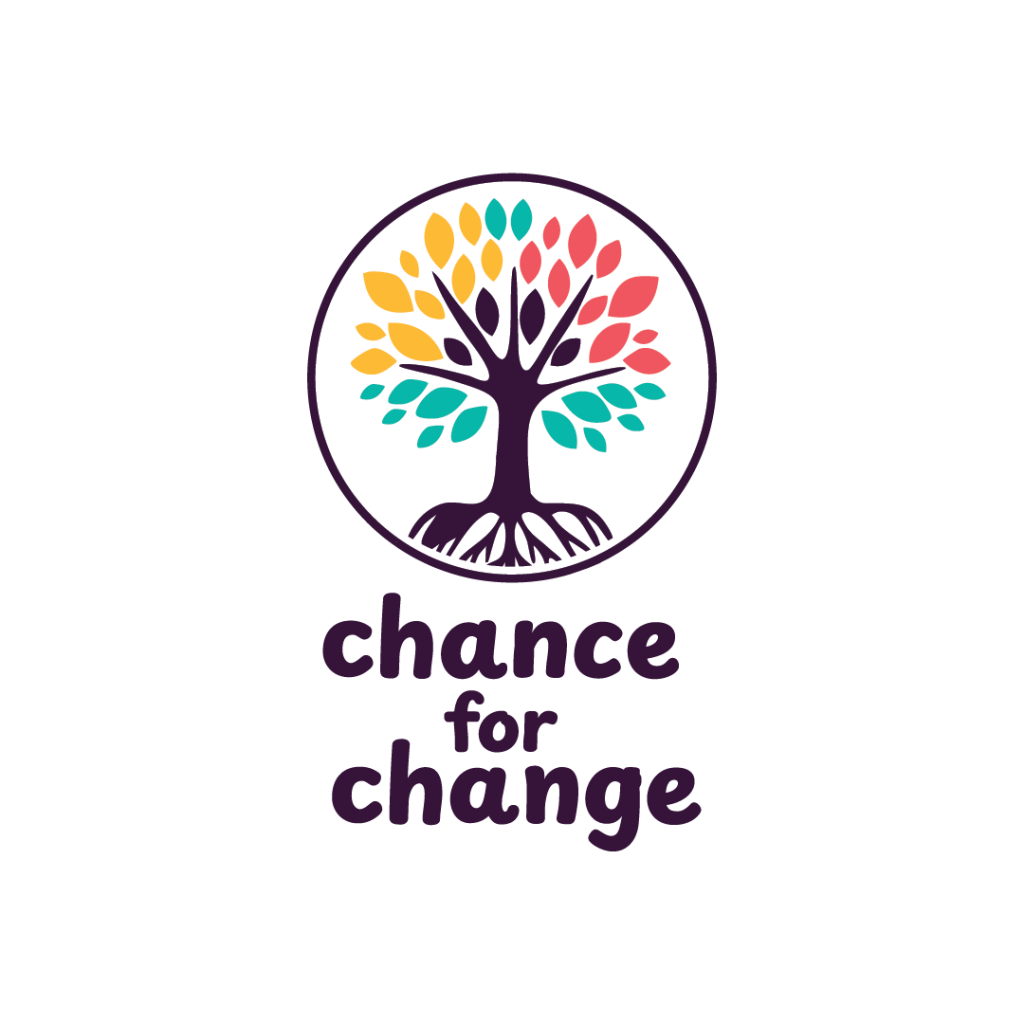
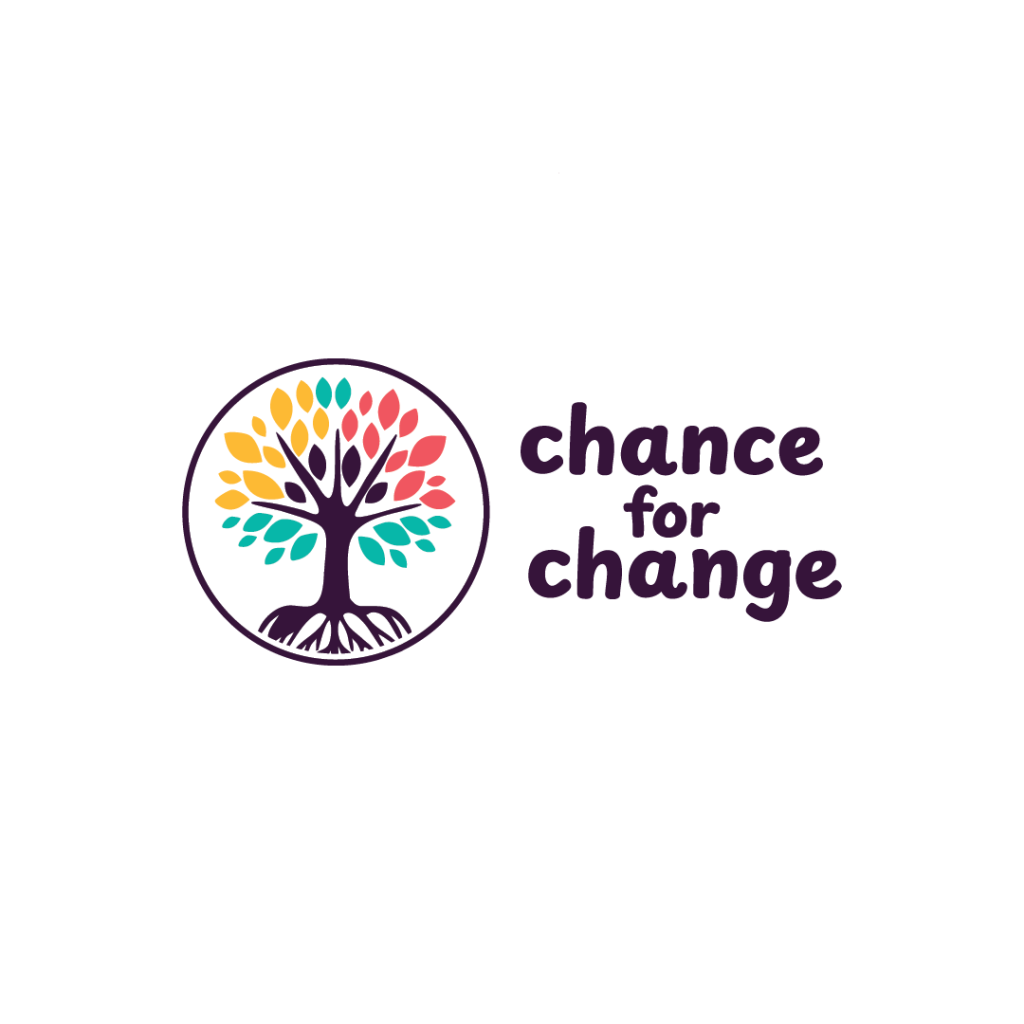
The Chance for Change logo was designed by group members and reflects their shared values, identity and commitment to creating positive change.
Inspired by the tree of life, their design symbolises growth, strong foundations, and important work happening beneath the surface.
It was also chosen as a widely recognised symbol that many people feel a personal connection to.

BARRY’s Vibe Check
BARRY’s Vibe Check is the CFC’s working agreement. It was created by group members to set shared expectations for how they work together in a safe, respectful and inclusive way.
The agreement outlines the group’s values – such as respect, open communication, curiosity and trust – and includes practical ways members support each other to participate confidently. It also sets clear boundaries about behaviours that are not acceptable, helping to create a positive and supportive environment for everyone involved.
You can view and download the document here:
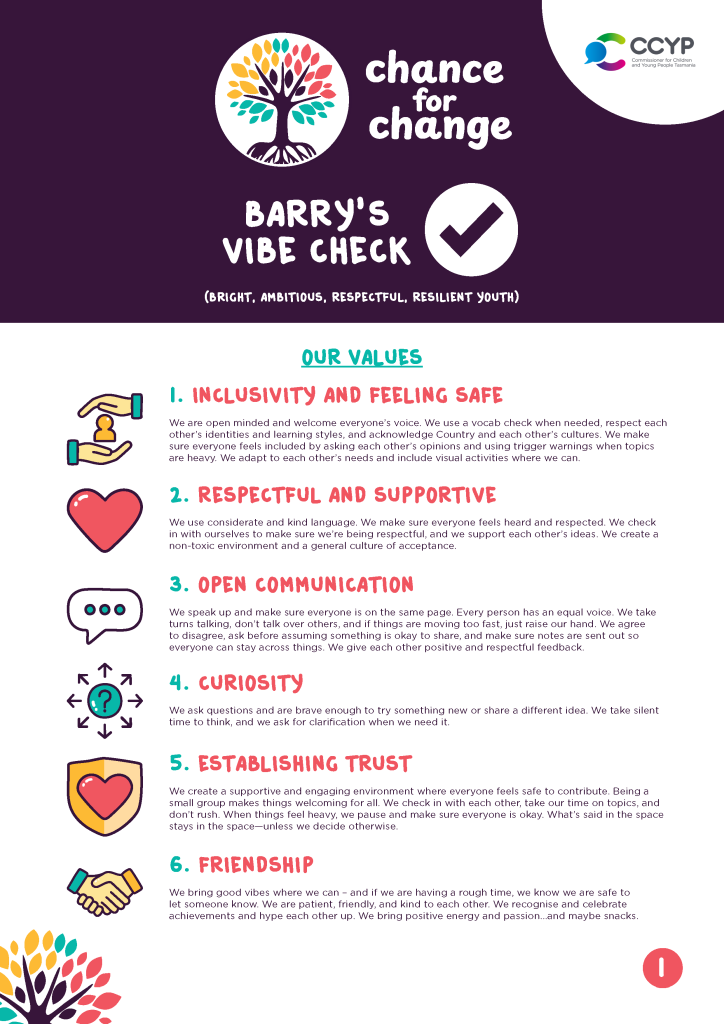
BARRY’s Vibe Check – Chance for Change working agreement